
Preparation
Give participants and organisers a clear checklist and a practice path.
Run olympiad and competition assessments with prepared tasks, participant groups and controls matched to the event rules. Keep marking, session review and jury decisions clear to participants.
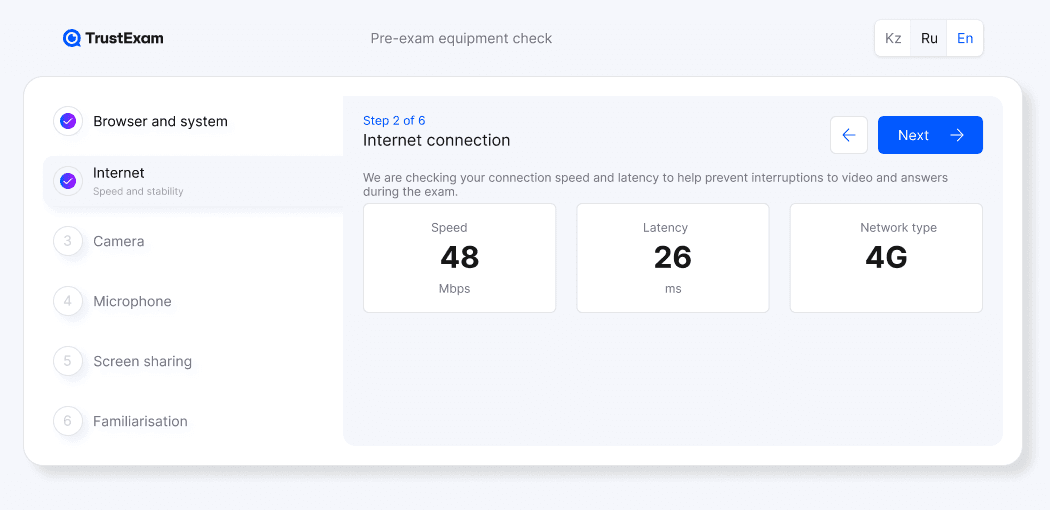
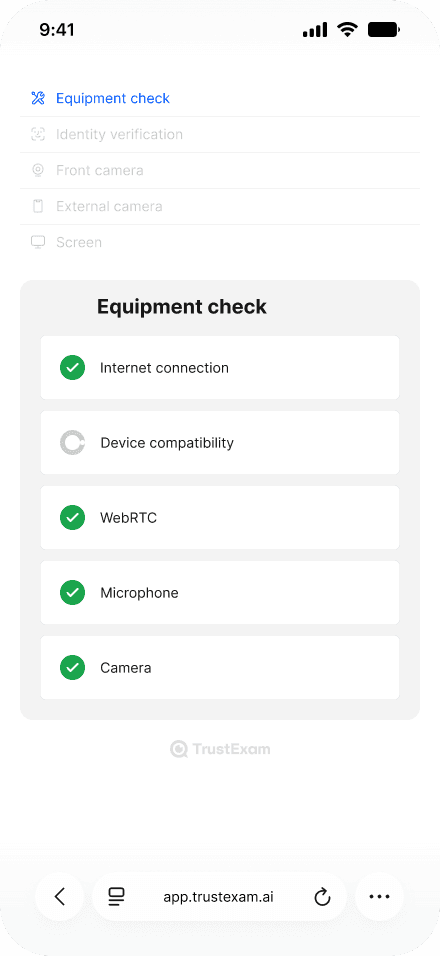
Publish device requirements and instructions early enough for participants to check their setup. Agree how technical incidents, accessibility needs and suspected rule breaches are handled.
Give participants and organisers a clear checklist and a practice path.
Match the checks to the event rules, participant context and review capacity.
Define how reviewers examine evidence and how decisions can be questioned.
Combine supported question types and check the scoring. Written answers require manual assessment; coding tasks depend on an external execution service. The jury defines judging criteria.
Prepare each round’s questions, dates, duration, groups and attempts. Confirm how participants move to the next round; do not assume an automatic tournament engine.
Publish permitted materials, device requirements and support instructions. Agree age-appropriate arrangements and any necessary accommodations with the organiser.
Consider task scores separately from possible rule breaches. Define result release, tie handling, appeal deadlines and who may examine session evidence.
Agree the expected outcome, then verify it in a representative workflow for your organisation.
A reviewed question set, scoring and permitted-resource policy.
Tested invitations, device instructions and a support route.
Defined evidence access, result release and appeal responsibilities.
Verify scoring, manual grading and coding execution where used.
Test assigned groups, dates and access instructions.
The jury can separate a knowledge result from a technical incident or integrity concern.
Verify the agreed review and appeal process before announcing outcomes.
Explore the details before your demo. If your question is not here, talk it through with our team.
Talk to the teamThese are supported task types. Written responses are graded by people; coding needs an external execution service. Validate marking and the execution setup before the competition.
No. Authorised reviewers assess the evidence in context. The organiser or jury applies the competition rules and makes any disqualification decision.
Do not assume this workflow is included. The organiser defines ranking, ties and advancement; any automated result processing must be confirmed separately.
Bring sample tasks, participant groups and judging rules to test the full path before the event.
Book a demo