Блог
Инсайты
SFU против P2P видеоструктуры: почему ваша система прокторинга не справляется с масштабированием
Сравните архитектуры видео SFU и P2P для онлайн-прокторинга. Узнайте, как TrustExam.ai использует SFU и офлайн-запись для обеспечения стабильности платформы при 1 Мбит/с.
Оркен Рахматулла
Руководитель образования
По мере продвижения в 2026 году основным различием на рынке прокторинга стало не "интеллект" ИИ, а "надежность" инфраструктуры. Недавние громкие отмены экзаменов доказали, что даже самое современное поведенческое обнаружение бесполезно, если платформа не может поддерживать стабильные видеосоединения в пиковые нагрузки.
Наиболее эффективным решением этой проблемы масштабируемости является модель "Живое по запросу". Записывая видео локально зашифрованными "частями", активируя прямые трансляции только тогда, когда человеческий проктор активно просматривает сессию, платформы могут значительно снизить нагрузку на сервер. Однако механизм этой прямой трансляции—Peer-to-Peer (P2P) против Selective Forwarding Unit (SFU)—является критически важным выбором для любого учреждения.
Опция 1: P2P + Оффлайн архивирование ("Прямая линия")
В архитектуре P2P сервер действует только как "сват", устанавливая прямое соединение между браузерами студента и проктора.
Преимущества: Эта модель предлагает значительную экономию на мощностях сервера, так как прямой трафик обрабатывается за счет интернет-соединений пользователей. Это также обеспечивает высокий уровень конфиденциальности данных, так как прямая трансляция не проходит через промежуточные серверы.
Ограничения: P2P создает большую нагрузку на скорость загрузки студента. Если несколько прокторов (например, супервизор и поддерживающий агент) присоединяются к одной сессии, соединение студента должно загружать несколько потоков одновременно. Более того, строгие корпоративные и университетские брандмауэры часто блокируют P2P-тоннели, что приводит к техническим сбоям в начале экзаменов с высоким уровнем ответственности.
Опция 2: SFU + Оффлайн архивирование ("Умный ретранслятор")
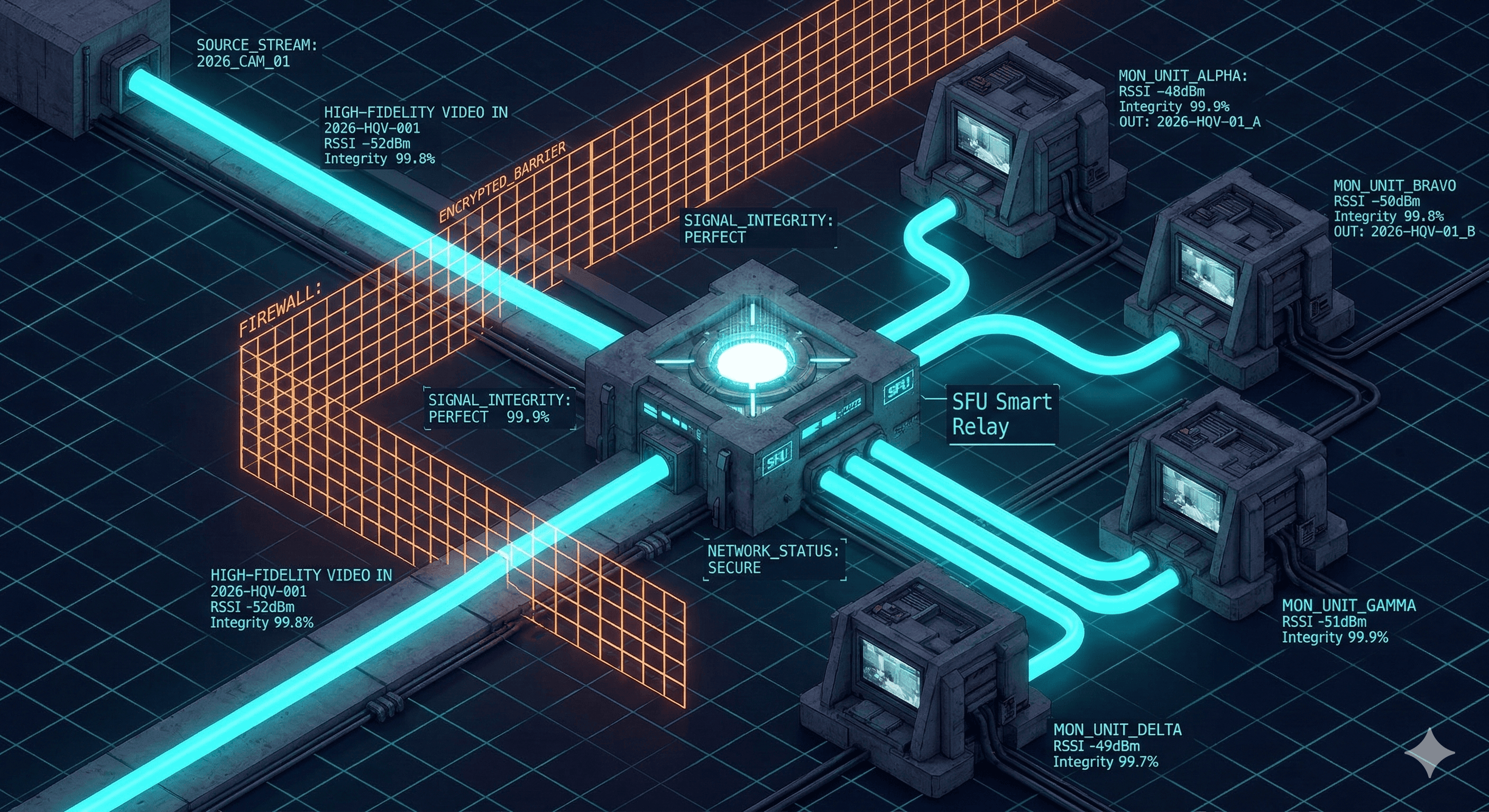
Selective Forwarding Unit (SFU) является посредником-сервером. Студент отправляет один живой поток на SFU, который затем реплицирует и распределяет его среди неограниченного числа авторизованных прокторов.
Преимущества: SFU является золотым стандартом предприятия на 2026 год. Он защищает пропускную способность студента, требуя только один поток загрузки, независимо от того, сколько прокторов смотрят. Он также обходит брандмауэры, выдавая себя за стандартный веб-трафик. Критически важно, что, поскольку видео проходит через сервер, Анализ поведения ИИ в реальном времени может быть применен к потоку в процессе передачи, а не полагаясь на оборудование студента.
Ограничения: Эта архитектура требует высокопроизводительной облачной инфраструктуры и управляемой логики масштабирования, что представляет собой более высокий инвестиционный порог в инженерные разработки.
Почему TrustExam.ai выбирает модель SFU
TrustExam.ai создан для массовых развертываний, где стабильность является непререкаемой. Наша архитектура сочетает технологии SFU с запатентованной Записью с устойчивостью соединения, чтобы устранить проблемы инфраструктуры, затрагивающие почти половину всех глобальных участников тестирования.
Оптимизировано для низкой связи: Используя SFU, мы оптимизировали передачу видео для работы на скоростях до 1 Мбит/с. Это гарантирует, что студенты в сельских районах или регионах с нестабильным интернетом не испытывают задержек.
Стабильность, исходящая из брандмауэра: Наше решение предназначено для работы в ограниченных сетях государственных учреждений и крупных учебных заведений без необходимости сложных повторных конфигураций ИТ.
Индекс целостности в реальном времени: Пока видео проходит через наш SFU, наш Анализ поведения ИИ анализирует категории поведения в реальном времени. Эта серверная обработка позволяет нам генерировать Индекс TrustScore™ без耗ления ресурсов локальной системы студента.
Матрица сравнения архитектуры
Фактор производительности | Архитектура P2P | TrustExam.ai (SFU) |
Пропускная способность студента | Высокая (нагрузка на многозначные виды) | Фиксированные 1 Мбит/с |
Совместимость с брандмауэром | Плохая (частые блокировки) | 100% нативная поддержка |
Обработка ИИ | Локальная (требующая ресурсов) | Масштабируемая на стороне сервера |
Масштабируемость | Ограничена небольшими группами | Региональная и национальная масштабируемость |
Для организаций, проводящих профессиональные сертификации или экзамены на гражданскую службу, модель P2P влечет неприемлемые риски. Сочетание архитектуры SFU и Оффлайн архивирования частей является единственным способом гарантировать 100% целостность данных с задержкой менее секунды.
Часто задаваемые вопросы (FAQ)
Какая видеоархитектура лучше для онлайн-экзаменов большого масштаба? В 2026 году архитектура SFU (Selective Forwarding Unit) предпочтительна для крупных экзаменов. Она позволяет неограниченному числу прокторов просматривать один поток студента без увеличения нагрузки на пропускную способность студента, обеспечивая стабильность в областях с низкой связью.
Как работает программное обеспечение для прокторинга на медленном интернете? TrustExam.ai использует Запись с устойчивостью соединения. Этот процесс сохраняет видео локально в небольших зашифрованных сегментах ("частях") и загружает их в фоновом режиме, в то время как живая трансляция оптимизируется для передачи SFU на 1 Мбит/с.
Может ли прокторинг обойти университетские брандмауэры?
Системы, использующие архитектуру SFU, такие как TrustExam.ai, обычно совместимы с брандмауэрами, так как используют стандартные веб-протоколы. Системы на основе P2P часто сталкиваются с трудностями из-за настроек безопасности в академических и корпоративных средах.
Оркен Рахматулла
Руководитель образования
Поделиться